Gutter Installation and Leaf Guards Stop Rot and Foundation Damage in Cleburne
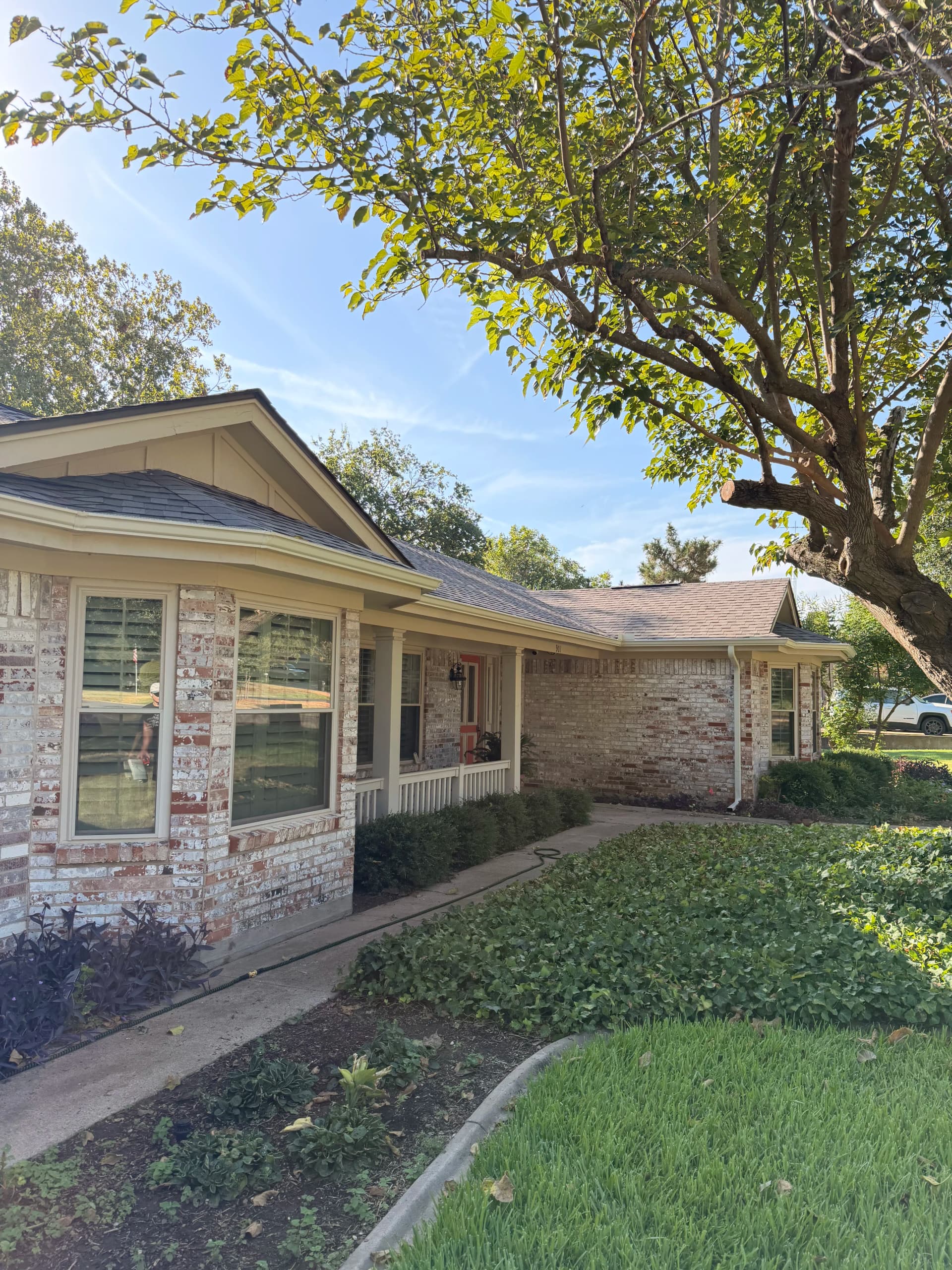
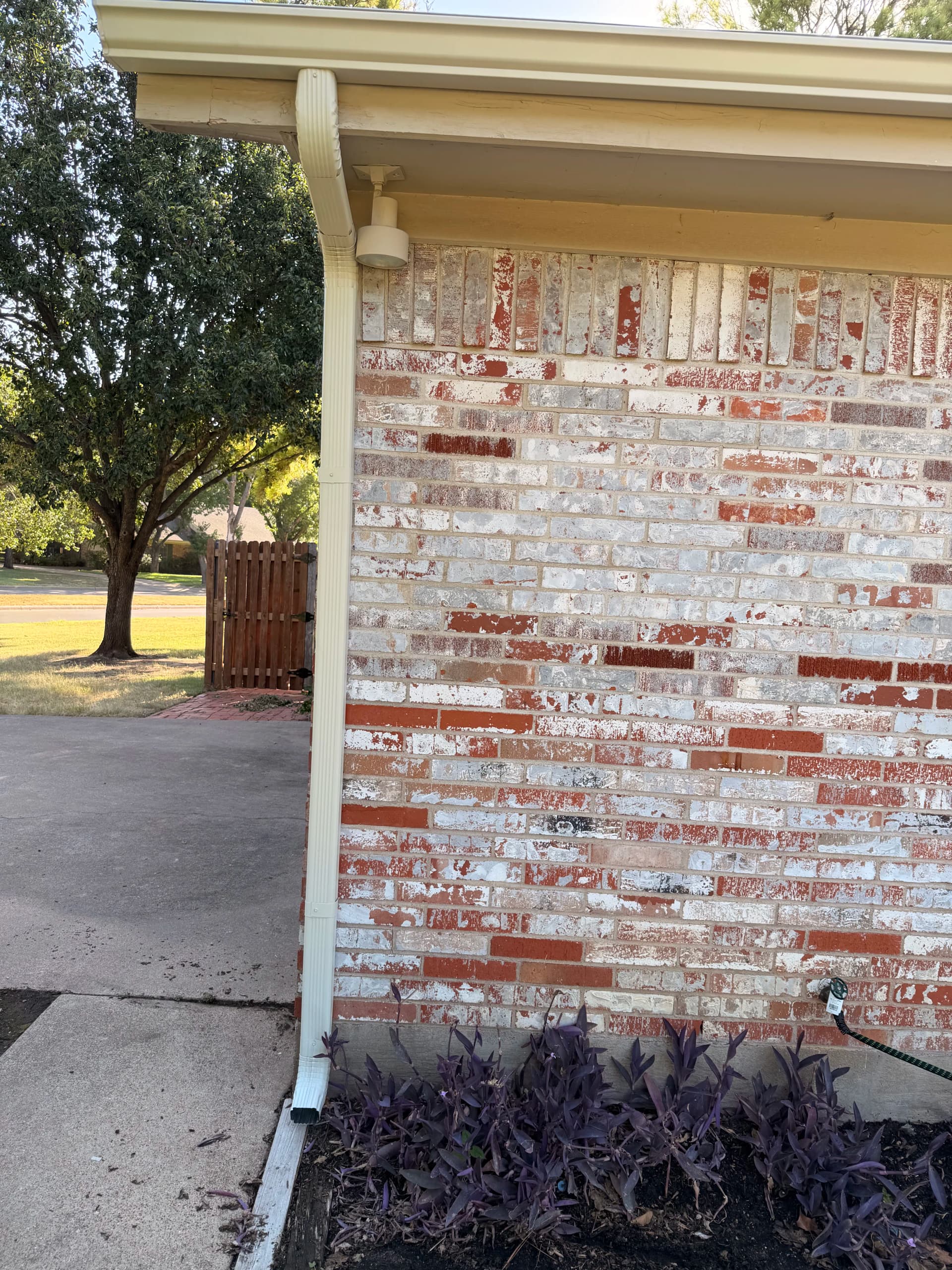
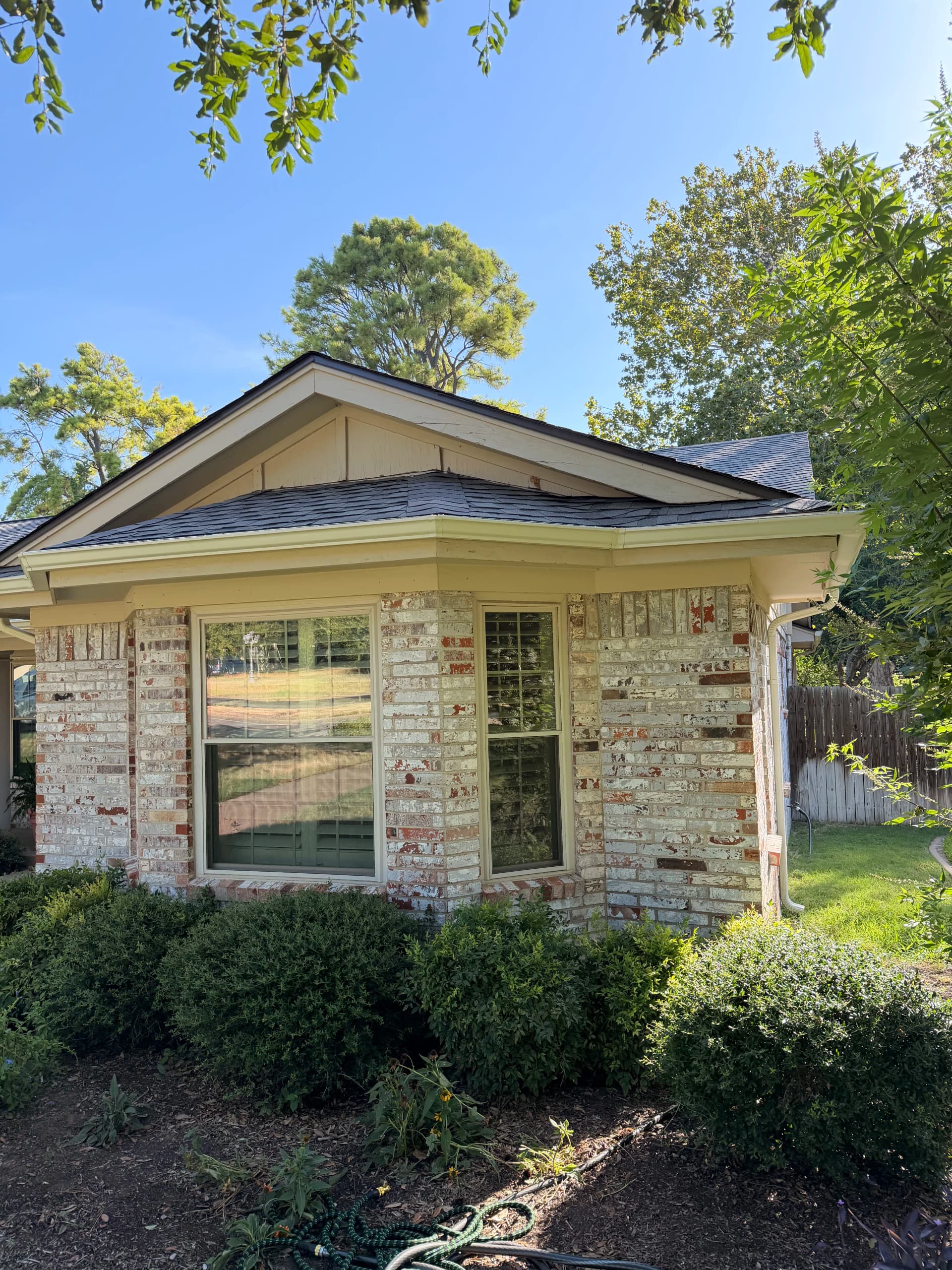
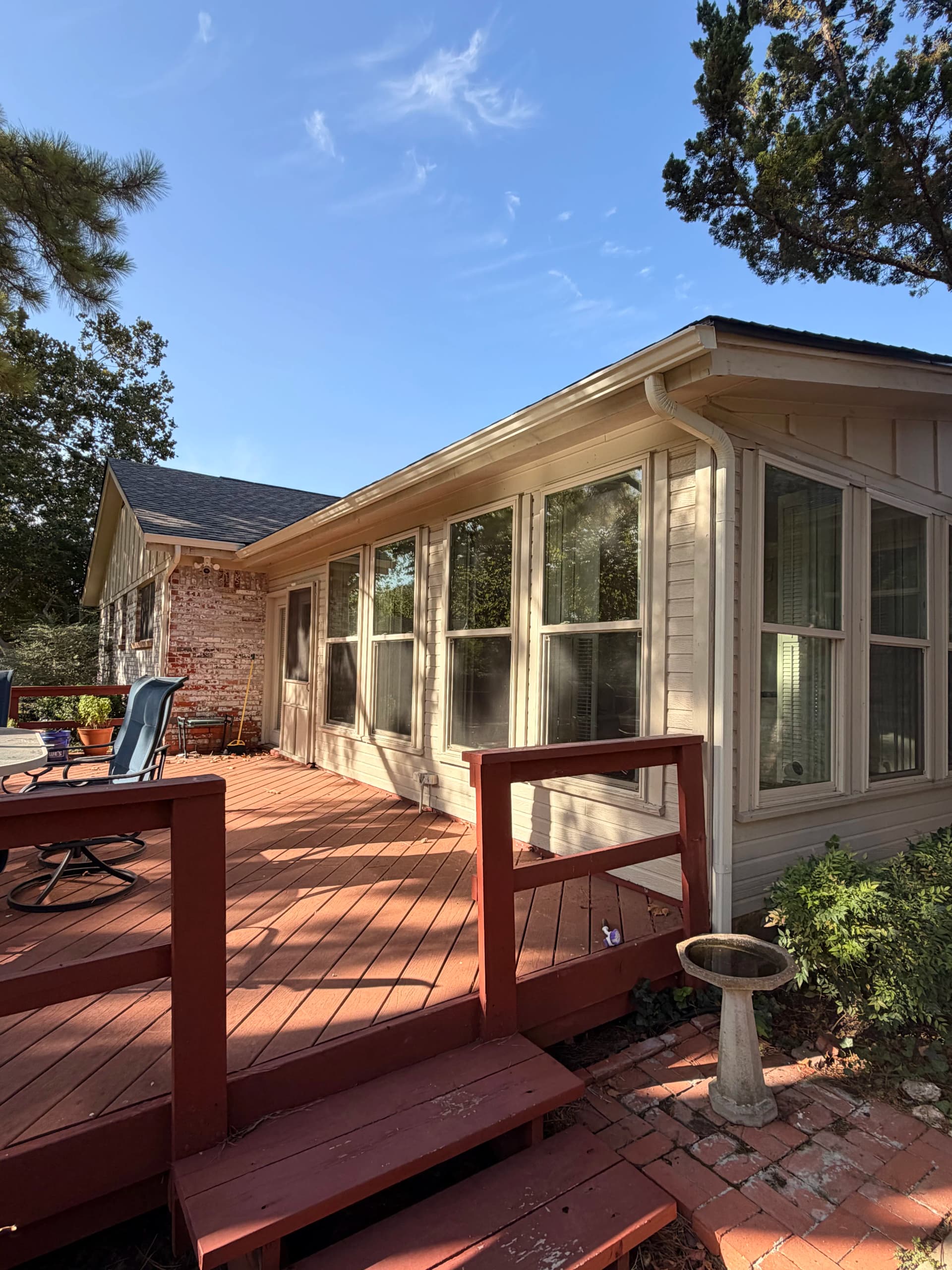
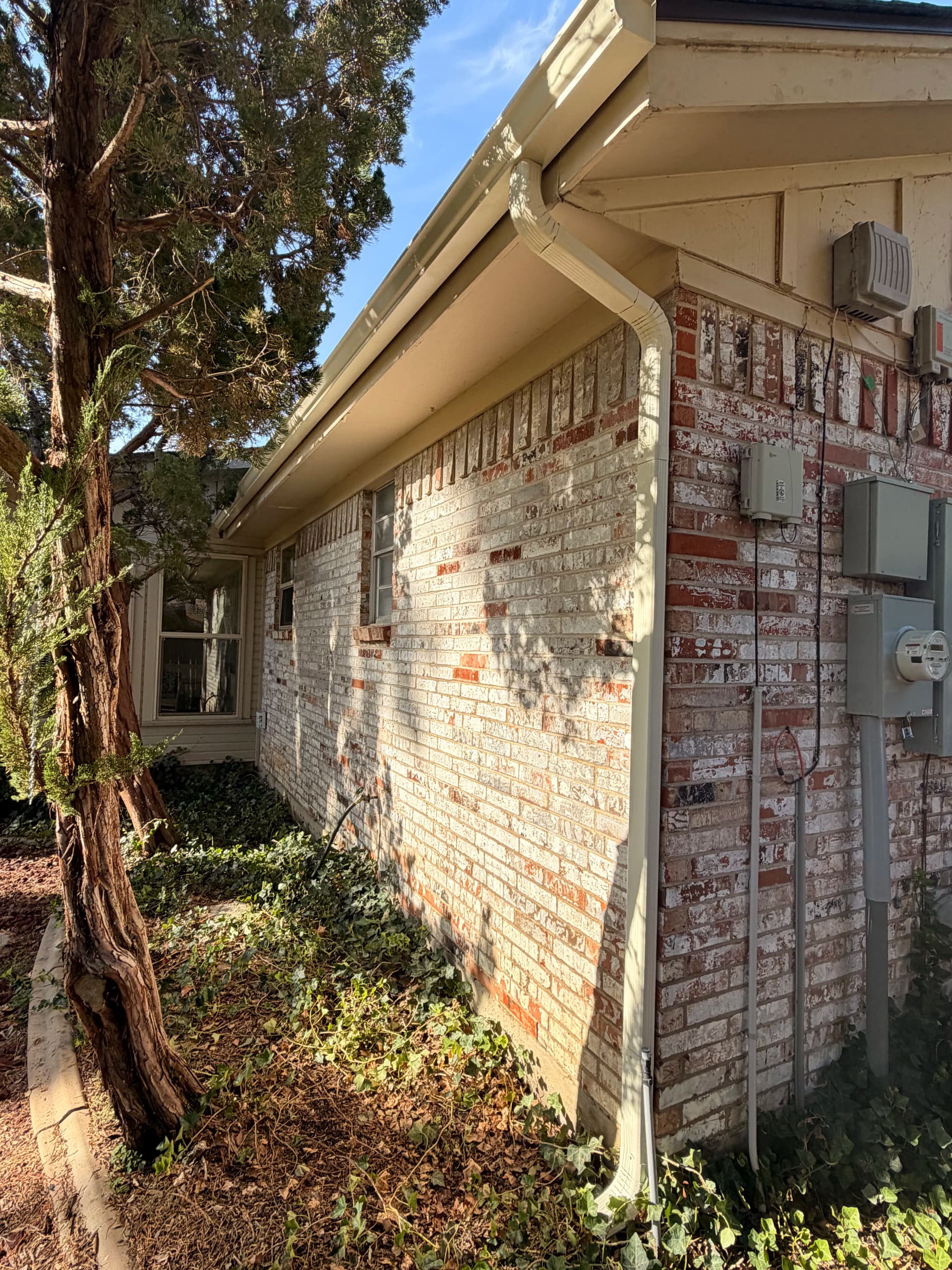
This Cleburne, Texas home was already showing the damage that happens when rainwater has nowhere to go. Rotting wood below the roofline. Flower beds getting carved out by runoff. Foundation starting to show. These aren't cosmetic issues - they're warning signs of a much bigger repair bill down the road.
Most homeowners don't think about gutters until the damage is already done. By that point, you're not just paying for gutters anymore. You're paying for foundation repair, rotted fascia replacement, and landscape restoration. The cost difference between catching it early and waiting is significant.
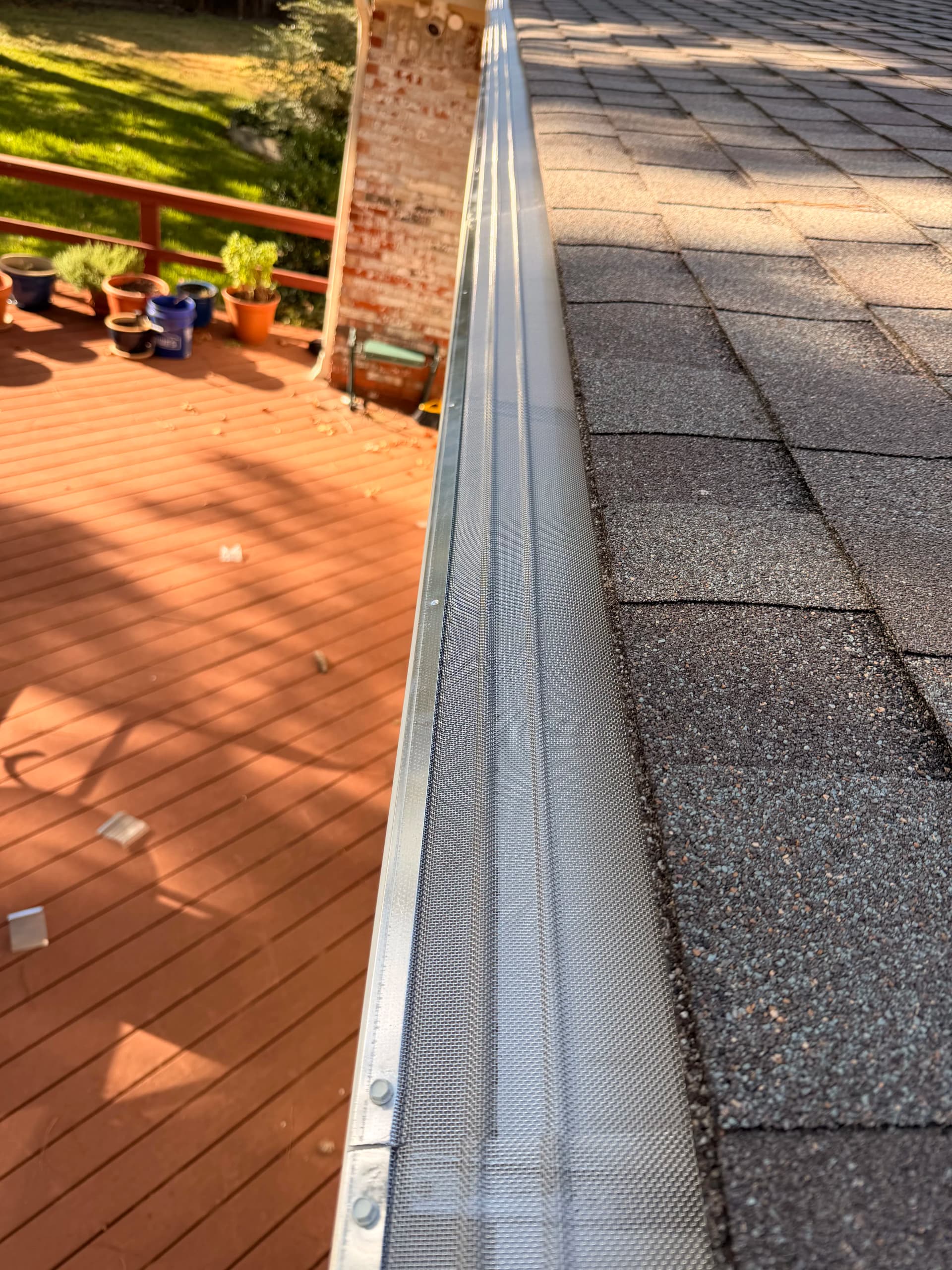
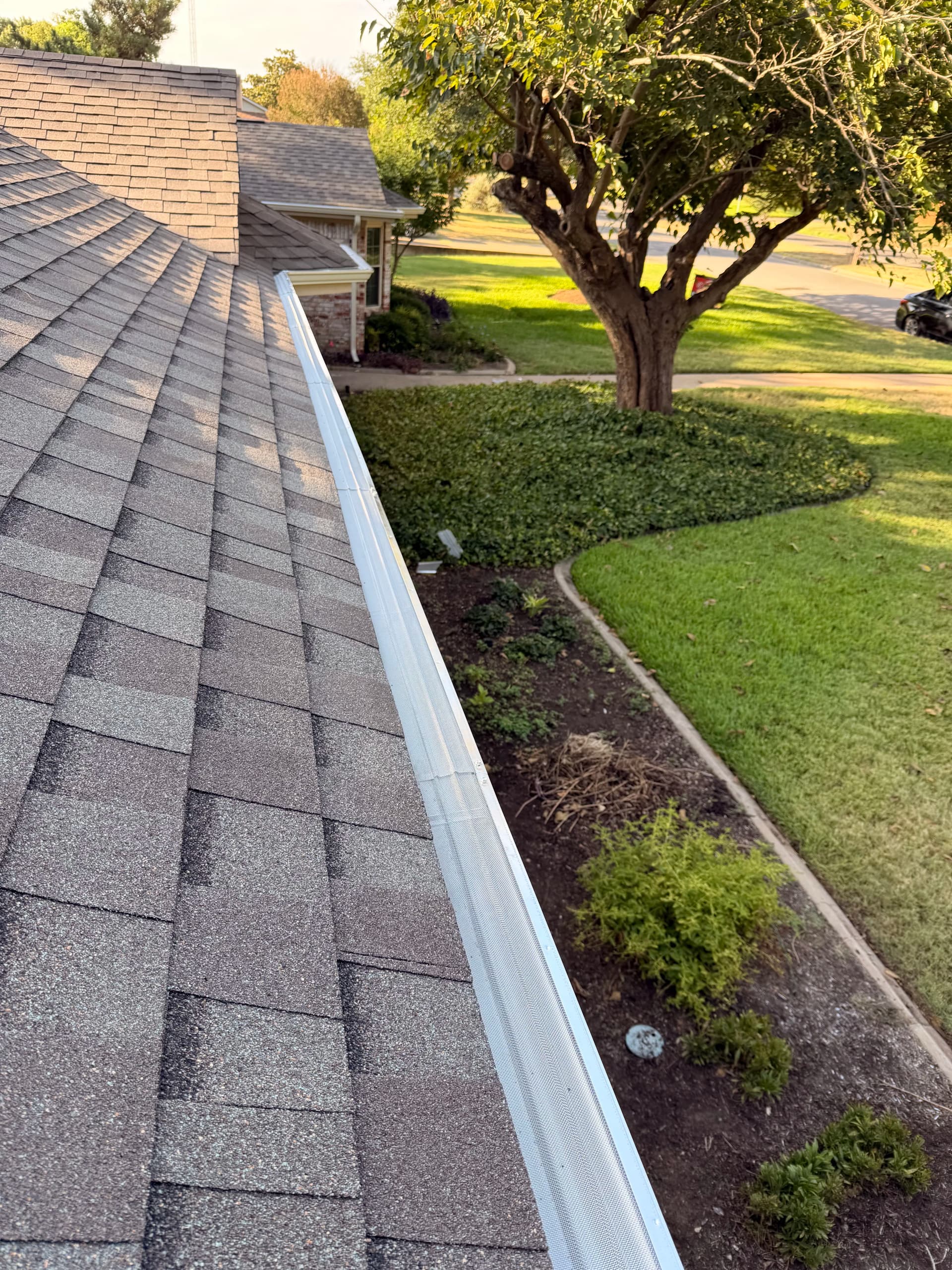
Here's what we were working with - a brick home with multiple rooflines, a rear sunroom, and several sides that were completely unprotected. We installed new gutters around the home and added micro-mesh leaf guards across the full run. With all the mature trees on this property, those leaf guards aren't optional - they're what keeps the system actually working instead of clogging up every season.
The three things to watch for on your own home are simple. Rotting or staining on the wood below your roofline. Flower beds that look like they've been scooped out by water. And concrete foundation that's starting to peek out from the soil around your home. Any one of those is a signal. All three together means it's time to act.
Gutters are one of the lowest-cost ways to protect one of your biggest investments. A one-time installation does the job that years of repairs never fully fix. If you're seeing any of these signs around your home, it's worth getting a quote before the next hard rain makes the decision for you.